Place guide
Las Vegas National Wildlife Refuge
A grassland and wetland refuge near Las Vegas with birding, wildlife watching, and open prairie views.
📍GPS: 35.53252, -105.16837
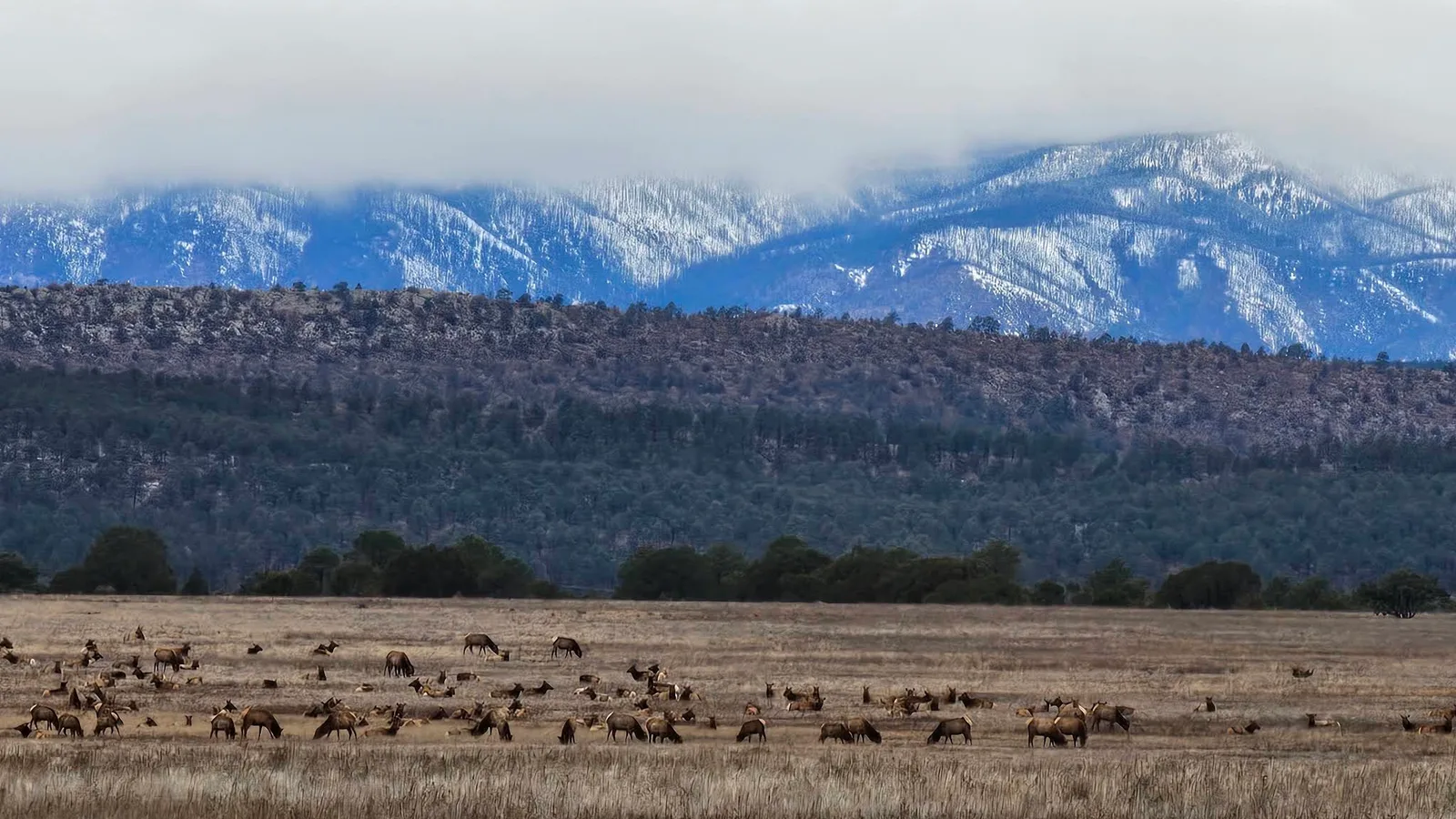
Las Vegas National Wildlife Refuge protects 8,672 acres of wetlands, grasslands, and wooded canyons six miles southeast of Las Vegas. The refuge sits between the Great Plains and the foothills of the Sangre de Cristo Mountains, combining habitats from both sides of northern New Mexico. Migrating waterfowl, sandhill cranes, raptors, and even herds of elk make it a good wildlife stop just outside town.
Where the Plains Meet the Mountains
Las Vegas National Wildlife Refuge occupies a high plateau with many shallow lakes, marshes, grasslands, and cottonwood groves. Around its edges, the plateau drops into wooded canyons filled with piñon, juniper, and ponderosa pine. This mix of plains, wetlands, and mountain habitat attracts a broad range of wildlife. The refuge also lies along the Central Flyway, making it an important resting and feeding area for migratory birds moving through New Mexico each spring and fall. Fall and winter bring sandhill cranes, ducks, geese, and wintering raptors, while elk can be seen moving through the refuge’s open grasslands throughout the year.
Wildlife to Look For
- Birds: Sandhill cranes, Canada geese, mallards, northern pintails, teal, avocets, long-billed curlews, shorebirds, wild turkeys, bald eagles, northern harriers, and American kestrels.
- Mammals: Rocky Mountain elk, badgers, ground squirrels, and other grassland and woodland mammals.
- When: Spring and fall are best for migration, while winter brings cranes, waterfowl, and bald eagles. Morning and evening generally offer the best wildlife activity.
Things to Do
- Drive the Auto Tour: Follow the eight-mile loop through marshes, lakes, grasslands, cottonwood stands, and open prairie.
- Stop at Crane Lake Overlook: Scan the wetlands for cranes, ducks, geese, and other water birds from the refuge’s main observation area.
- Walk the Meadowlark Trail: This easy half-mile ADA-accessible loop near the visitor center passes prairie, wetlands, and an acequia.
- Hike the Gallinas Nature Trail: The 1.75-mile loop descends into a wooded box canyon, passing native grasslands, historic ruins, and a small spring-fed oasis.
- Watch for elk: Large elk are regularly seen in the refuge’s open grasslands, especially around morning and evening.
How Much Time to Spend
An hour is enough to drive the auto tour and stop at the main overlooks. Plan on two hours if you want to walk one of the trails or spend more time watching birds and elk. The refuge is close enough to Las Vegas that it works well as an easy morning or evening trip from town.
Getting There
Las Vegas National Wildlife Refuge is about six miles southeast of Las Vegas. From I-25, take Exit 345 and follow NM-104 east for about 1.5 miles, then turn south onto NM-281 and continue about four miles to the refuge headquarters.
The refuge is free to visit, and the trails and auto tour are open daily from sunrise to sunset. Restrooms are available near the visitor center and at the Crane Lake Overlook.
Nearby places
Las Vegas
A beautifully preserved Victorian-era town with over 900 historic buildings on the Santa Fe Trail.
Storrie Lake State Park
A small reservoir park near Las Vegas, NM known for windsurfing, fishing, and wide-open prairie views.
United World College
A private international school in Las Vegas, NM with a unique campus and global student body.