Place guide
Bosque del Apache National Wildlife Refuge
New Mexico's most famous wildlife refuge, known for wintering sandhill cranes, wetlands, and dramatic sunrise fly-outs.
📍GPS: 33.819838, -106.873822
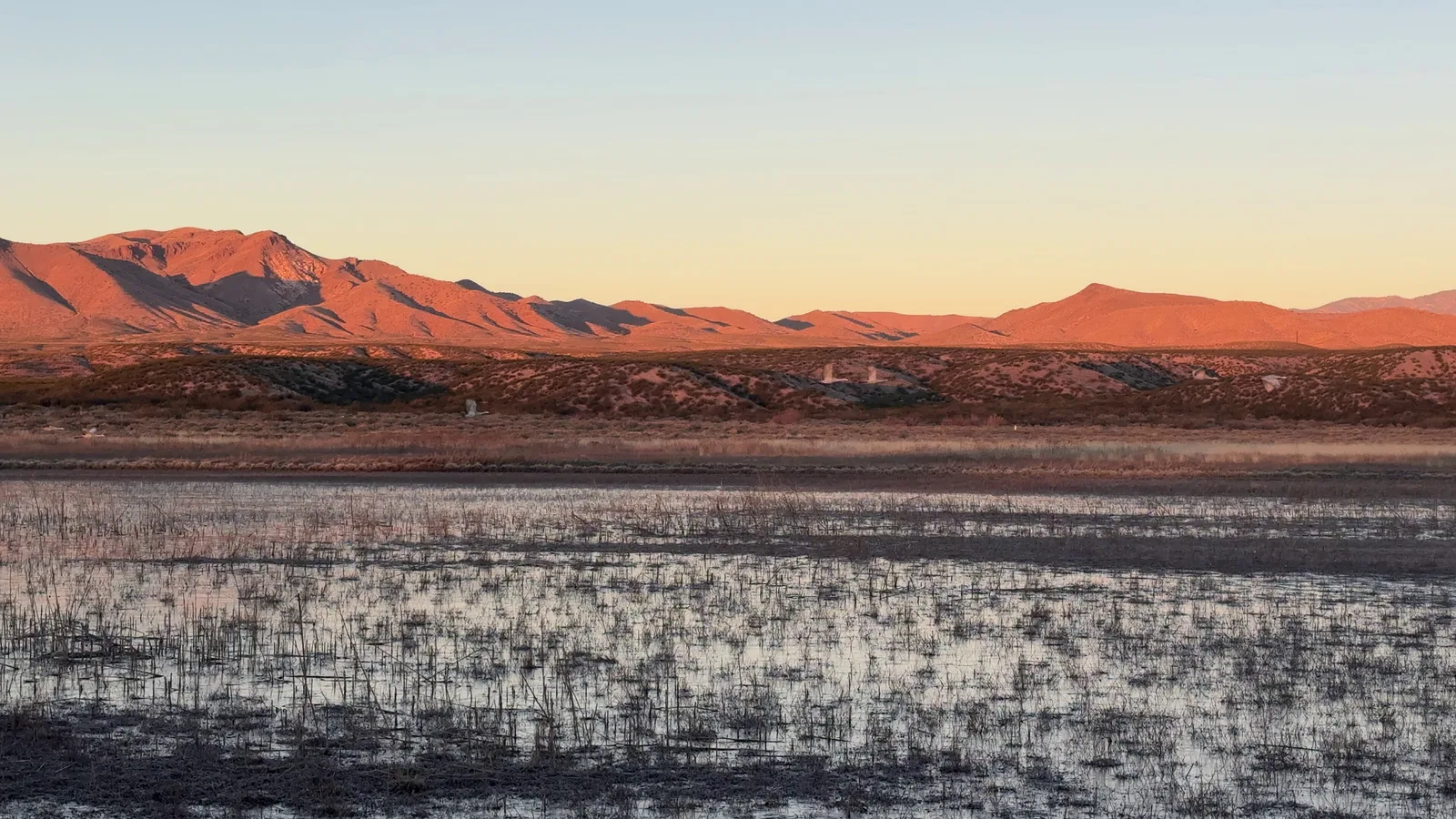
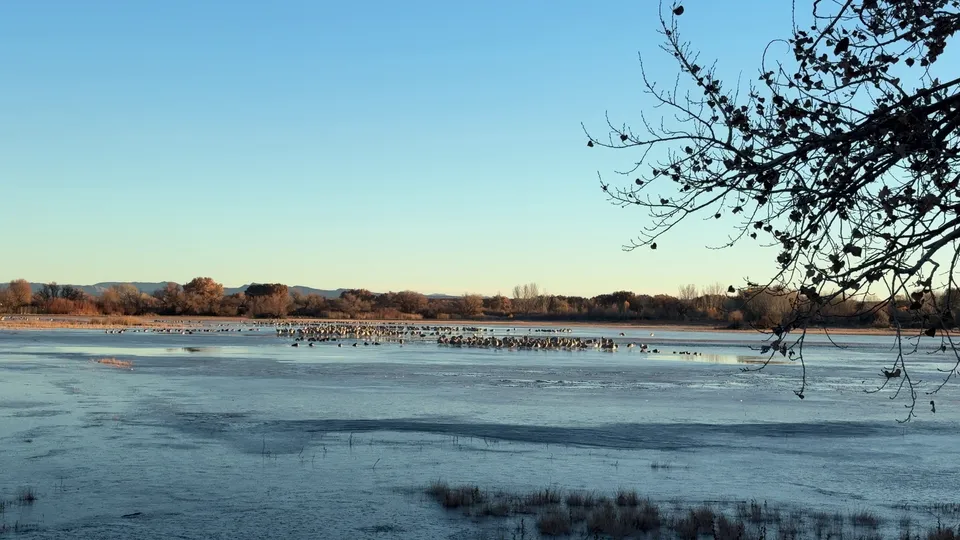
Bosque del Apache National Wildlife Refuge is one of North America’s premier birdwatching destinations (seriously), located along the Rio Grande south of Socorro. Established to protect vital wetland habitat, the refuge spans more than 57,000 acres of marshes, fields, bosque, and desert. Each fall and winter, tens of thousands of sandhill cranes, snow geese, and other migratory birds gather here, creating one of New Mexico’s most spectacular wildlife displays.
A Haven for Migratory Birds
The refuge lies along the Rio Grande Flyway, an important migration corridor used by birds traveling between Canada, the United States, and Mexico. Wetlands and agricultural fields provide food and shelter for hundreds of bird species, while surrounding desert and bosque support a wide variety of mammals, reptiles, and resident birds. Whether you’re a photographer, birder, or simply looking for a scenic drive, Bosque del Apache offers exceptional wildlife viewing throughout the year.
Festival of the Cranes
Each year in early December, the refuge hosts the Festival of the Cranes, celebrating the return of the birds for winter. The multi-day festival includes guided birding trips, wildlife tours, hikes, photography workshops, and educational programs. It is one of the biggest birding events in the Southwest and the busiest times of year at the refuge. If you want the winter spectacle without the festival crowds, visit on another morning between November and January.
Wildlife to Look For
- Birds: Sandhill cranes, snow geese, Ross’s geese, ducks, avocets, herons, ibis, hawks, bald eagles, and hundreds of other resident and migratory species.
- Mammals: Mule deer, coyotes, jackrabbits, and other desert and bosque mammals are regularly seen around the refuge.
- When: Fall and winter are best for the huge concentrations of cranes, geese, and waterfowl. Sunrise and sunset generally offer the most activity.
Things to Do
- Drive the Scenic Drive: Follow the roughly 12-mile auto loop through wetlands, farm fields, bosque, and open desert, stopping wherever wildlife gathers.
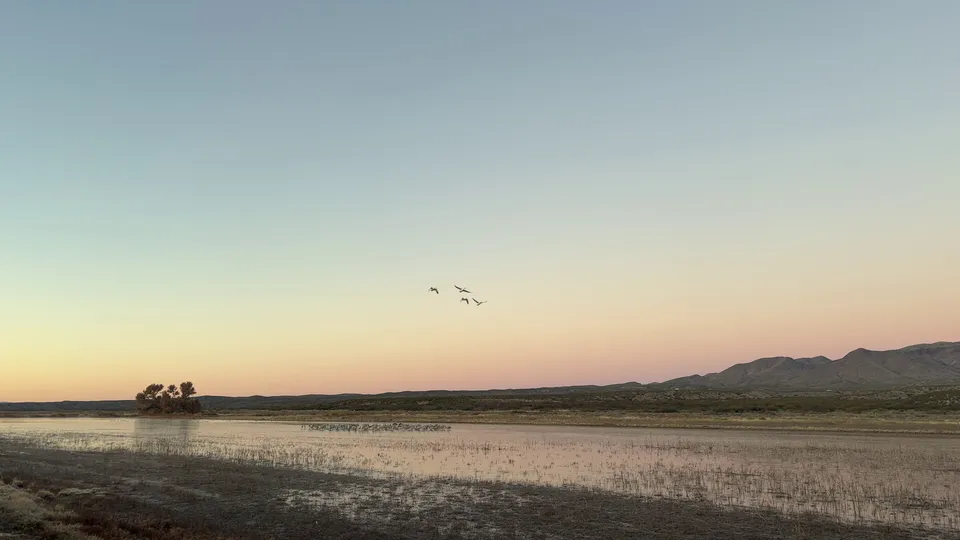
- Watch the morning fly-out: Arrive before sunrise in winter to watch thousands of cranes and geese leave their nighttime roosts.
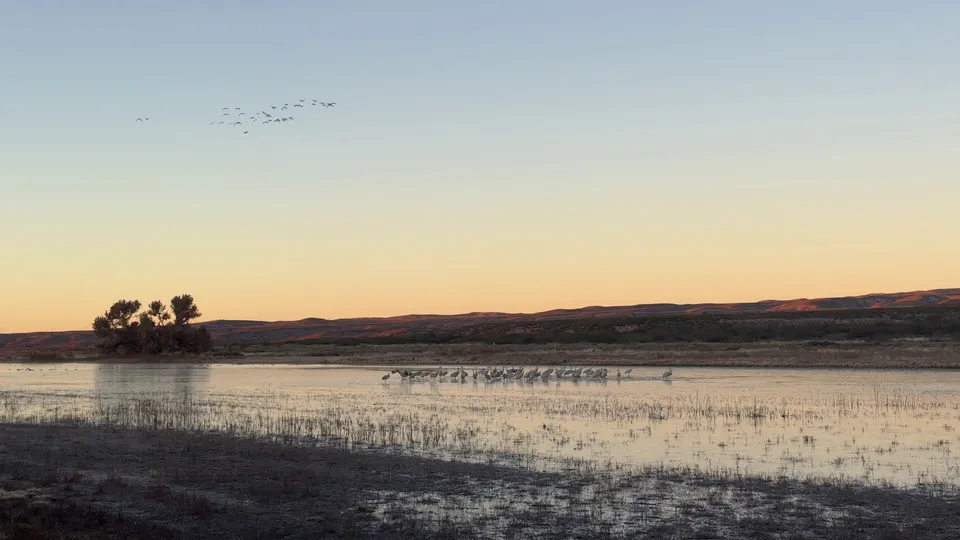
- Return for sunset: Evening can be just as impressive as cranes descend back onto the refuge against the setting sun.
- Walk the nature trails: Twelve trails explore wetlands, bosque, desert, and overlooks throughout the refuge.
- Photograph the wildlife: Bosque del Apache is one of New Mexico’s premier wildlife photography locations, particularly during the winter migration.
How Much Time to Spend
Two hours is enough to drive the main loop and stop at several overlooks, but half a day is better during the fall and winter migration. Photographers and birders spend entire days here. For the classic Bosque del Apache experience, arrive before sunrise, watch the morning fly-out, and then explore the Scenic Drive as the refuge wakes up.
Getting There
Bosque del Apache National Wildlife Refuge is about 20 miles south of Socorro, just beyond the small community of San Antonio. From I-25, take Exit 139 at San Antonio, follow US-380 east briefly, then turn south onto NM-1 and continue about nine miles to the visitor center. The refuge charges a $5 daily entrance fee per private vehicle, with federal recreation passes accepted. The Scenic Drive, trails, and refuge lands are generally open from one hour before sunrise until one hour after sunset.
If you’re coming from Socorro, Bosque del Apache is an easy half-day trip, but during winter migration it is worth planning your schedule around sunrise or sunset.
Related videos
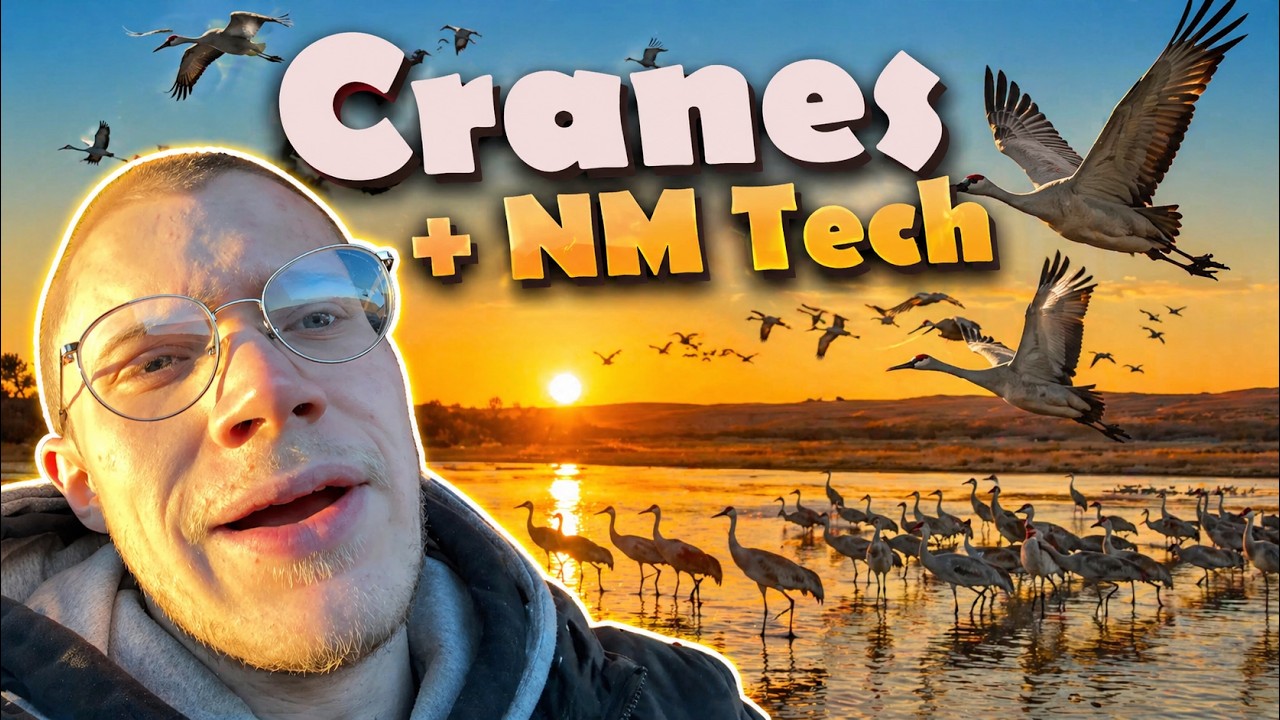
Nearby places
Dueling Green Chile Burgers
Two of the best green chile cheeseburgers in the state, feet apart.
The Box
A narrow volcanic canyon with popular bouldering and sport climbing, a short trail in, and free BLM camping.
Socorro
A small city on the Rio Grande known for birdwatching, mining, and science.