Place guide
Zuni Pueblo
New Mexico’s largest Pueblo community, renowned for intricate silver-and-turquoise inlay jewelry
📍GPS: 35.067533, -108.849227
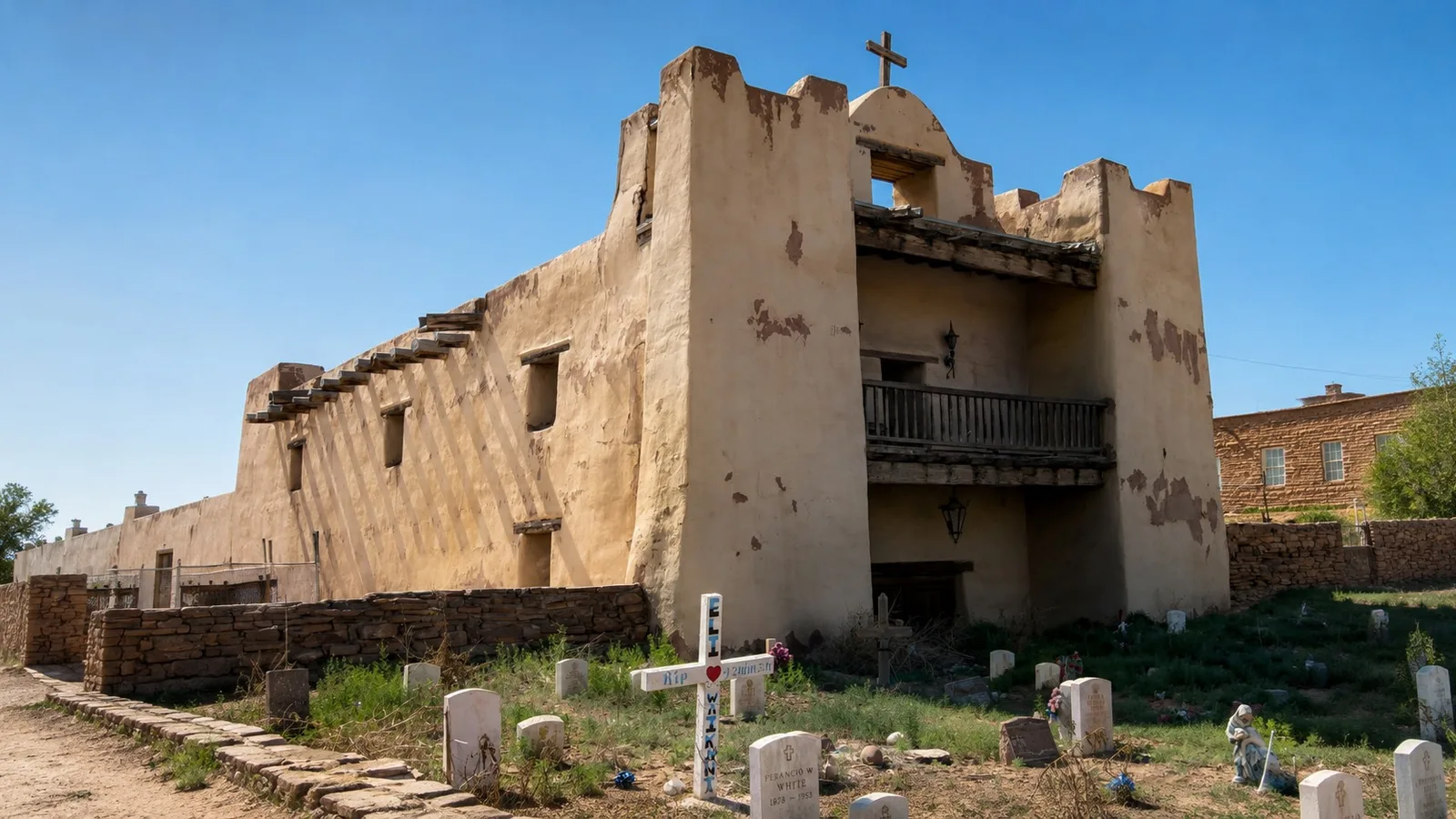
Zuni Pueblo (Halona Idiwan’a - The Middle Place)
Zuni Pueblo is the largest of New Mexico’s 19 Pueblos and one of the most culturally distinctive communities in the state.
The A:shiwi people have lived in this region for centuries, and Zuni remains the center of a much larger ancestral landscape extending across western New Mexico and eastern Arizona. The Zuni language is a language isolate, unrelated to any other known language, and remains an important part of everyday life in the community. Zuni is especially famous for its artists. Intricate stone-inlay jewelry, needlepoint and petit point silverwork, pottery, and small carved stone fetishes are some of the art forms most closely associated with the Pueblo.
What to Do
The best place to begin is the Zuni Visitor Center. Unlike a typical tourist town, many of Zuni’s most interesting historic and cultural sites are best seen with local guidance, and some areas may be restricted depending on ceremonies or other community activities.
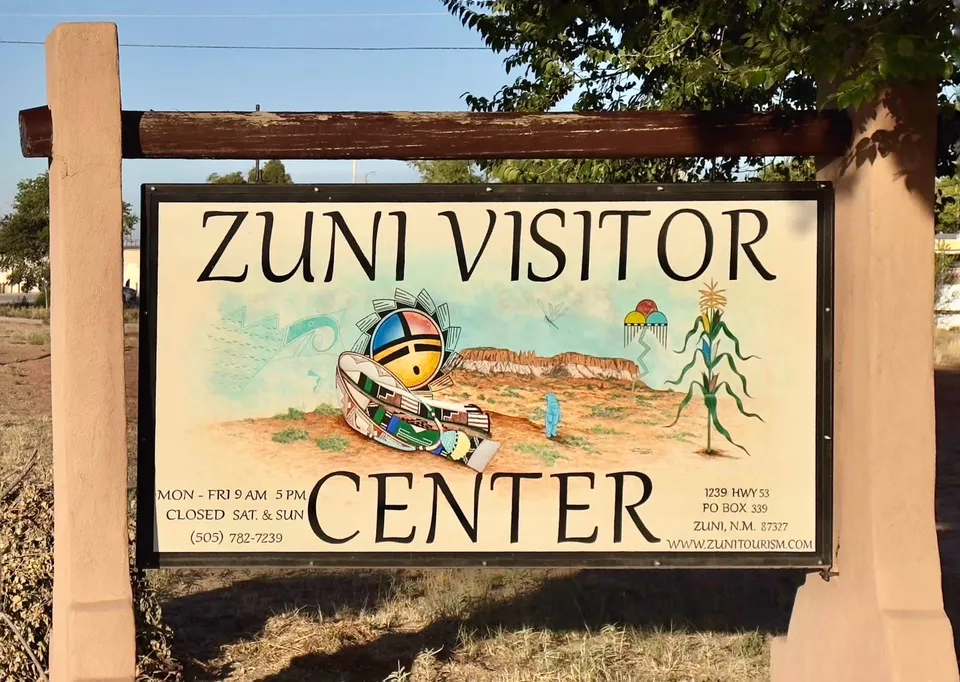
Zuni Visitor Center
Make this your first stop in Zuni. The Visitor Center provides maps and current access information, explains local visitor rules, sells photography permits, and arranges guided tours of important sites around the Pueblo.
Historic Middle Village
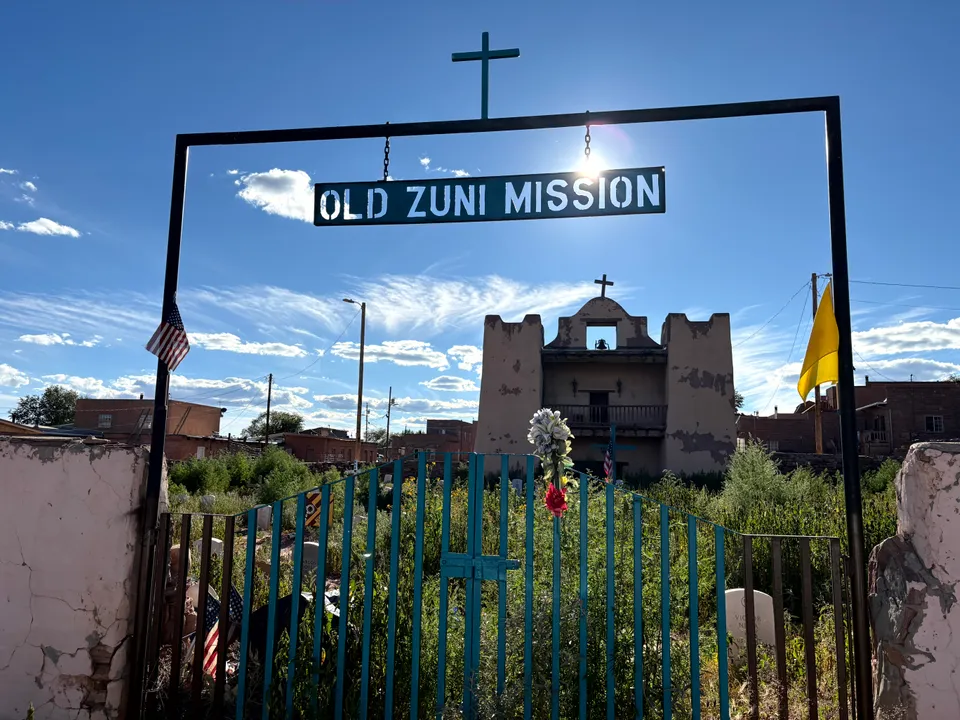
Halona Idiwan’a, the historic Middle Village, is the heart of Zuni and contains some of the community’s oldest continuously occupied areas. A guided tour provides context on architecture and the story of the A:shiwi people. Tours can be arranged through the Visitor Center.
Hawikku
Hawikku is an ancestral Zuni village west of the modern Pueblo. It was here that the A:shiwi encountered the first European expeditions into the region in the 1500s. Today the archaeological site is protected on Zuni land and can be visited through guided tours arranged at the Visitor Center.
A:shiwi A:wan Museum and Heritage Center
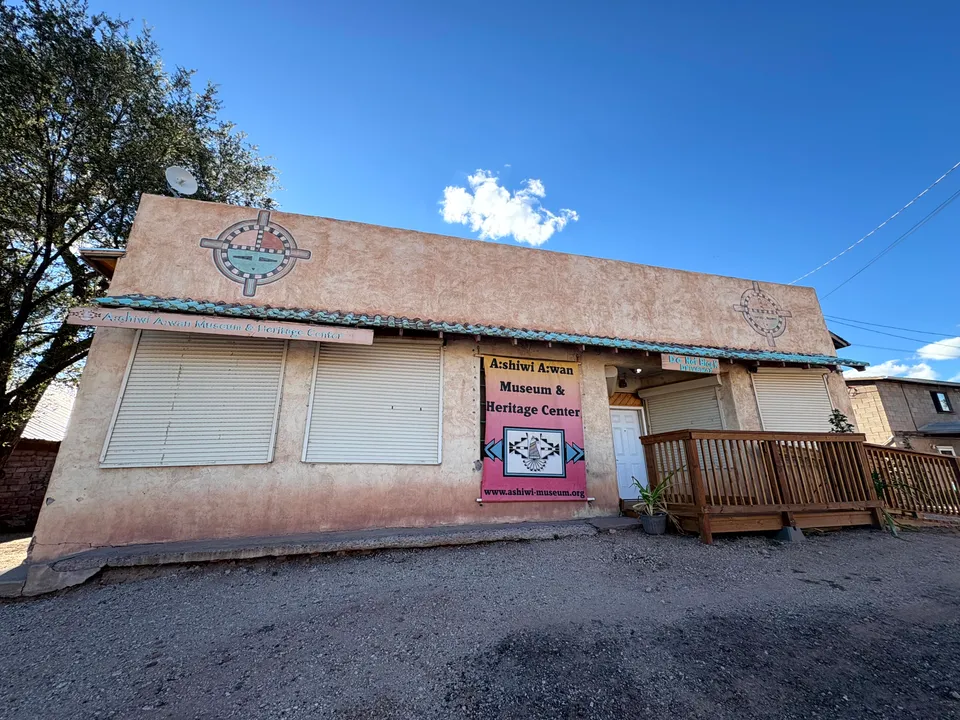
Zuni’s tribal museum tells the history of the A:shiwi people from their own perspective. Exhibits cover Zuni origins, migration, archaeology, traditional knowledge, and the ancestral village of Hawikku.
Art & Shopping
Zuni is one of the largest producers of Native art in New Mexico and a great place to purchase pieces directly from the artists. The Pueblo is particularly known for silver jewelry set with precisely cut turquoise, coral, shell, and other stones. Zuni is also known for pottery and small carved stone fetishes.
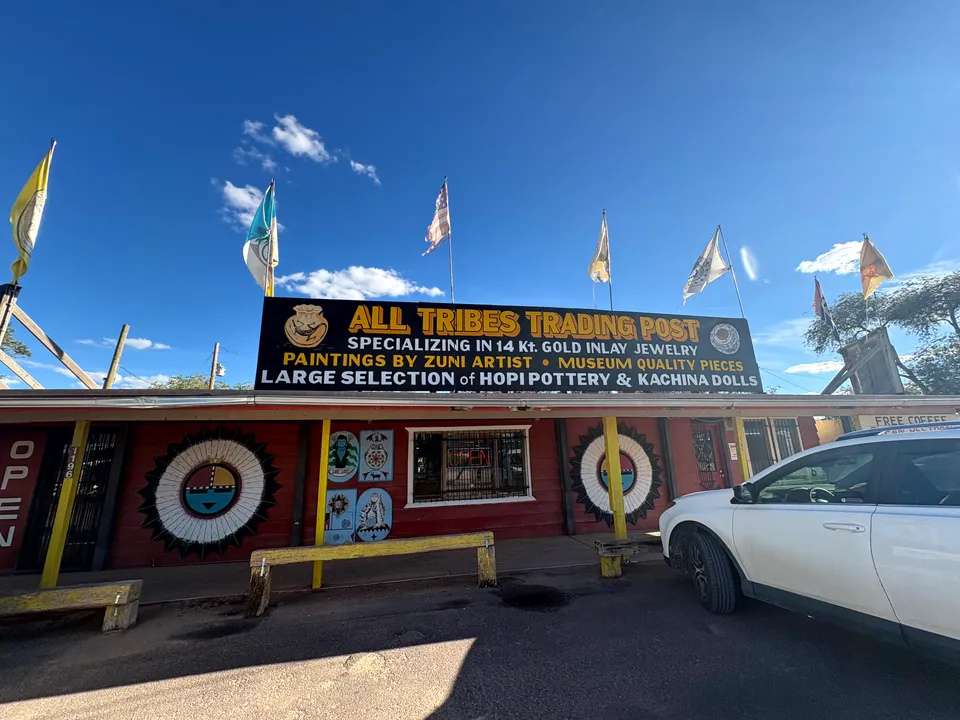
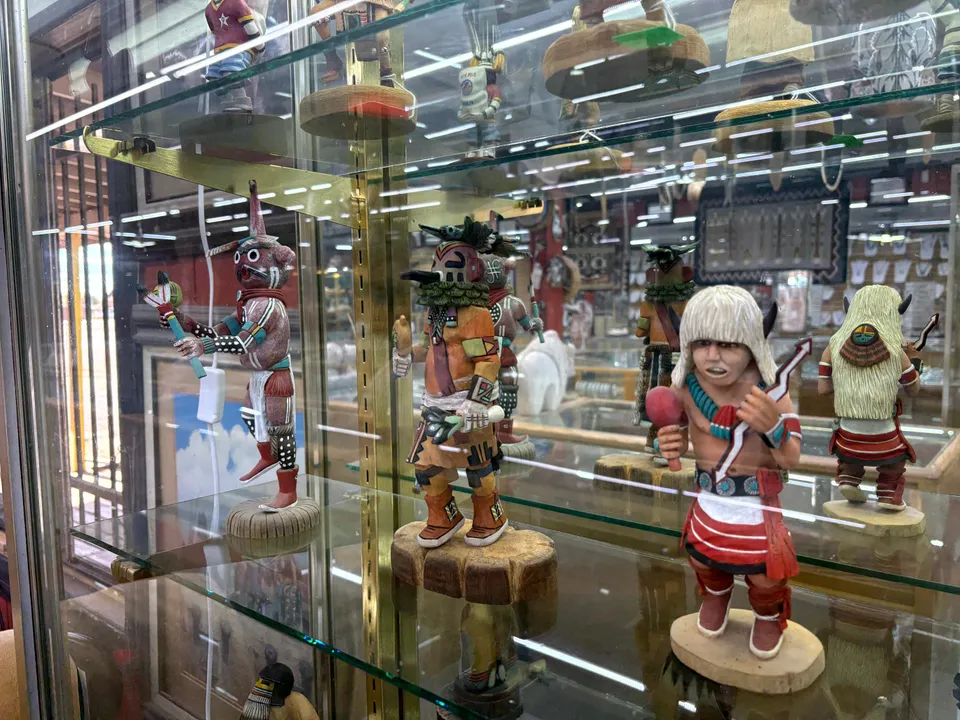
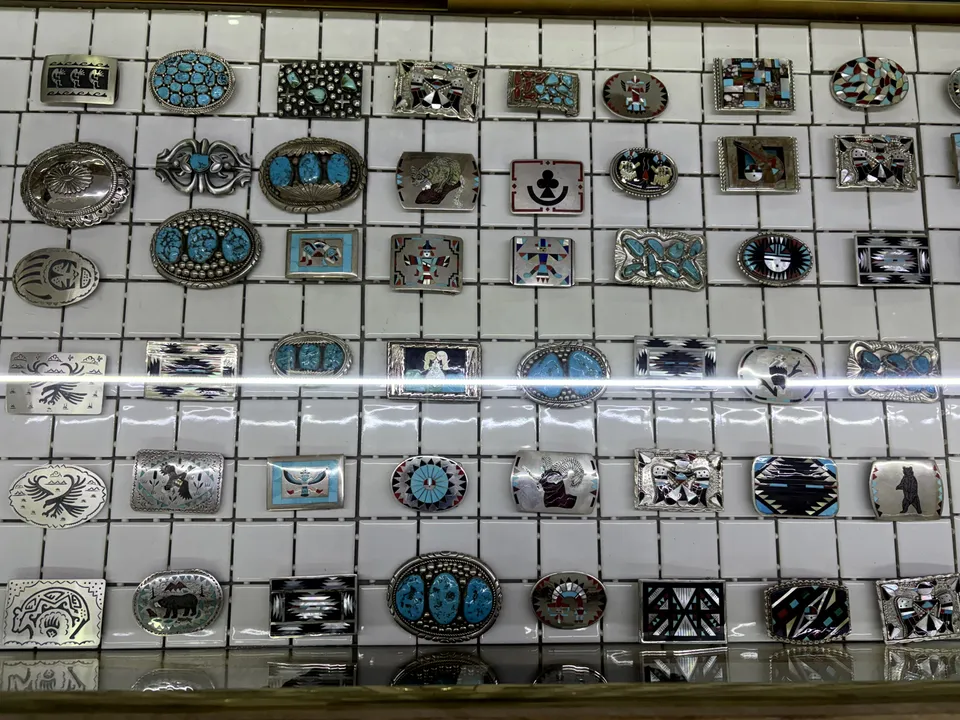
Trading posts and individual artists sell work throughout the community. Buying directly in Zuni is a good way to support local artists and allows you to learn who made a piece and how it was produced.
Hiking around Zuni
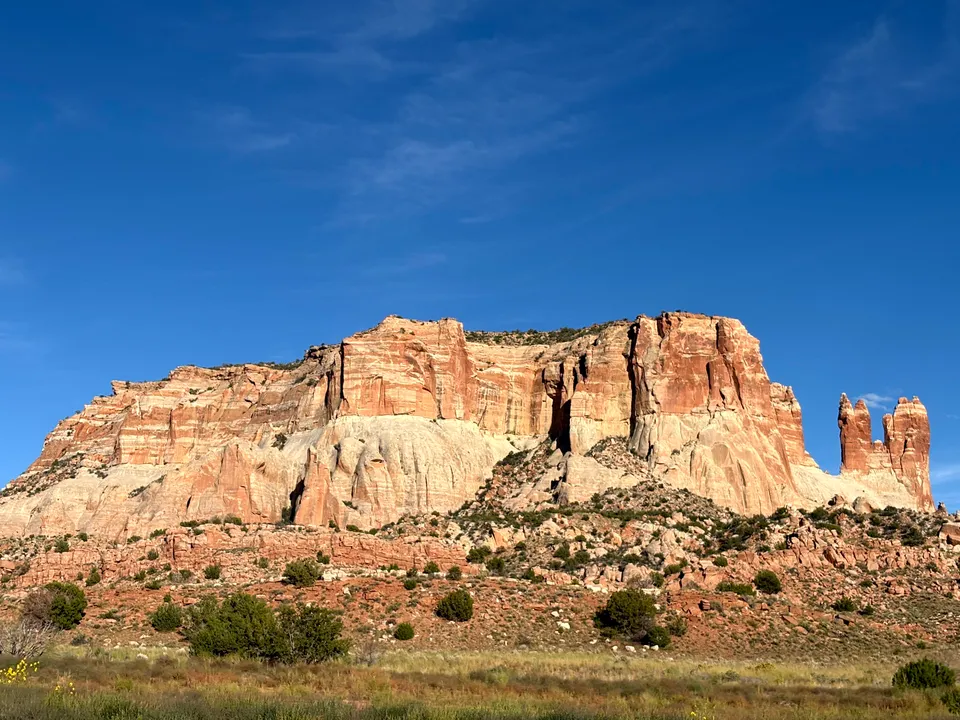
Zuni is surrounded by high-desert mesas, canyons, and archaeological sites, but hiking access is more restricted than on nearby public lands. There are designated trails around town such as Wolf, Bear, Wagon, Badger, and K’yawaina trails, but you must check with the Zuni Visitor Center or local authorities for any required permits before hiking.
Stay at a Pueblo
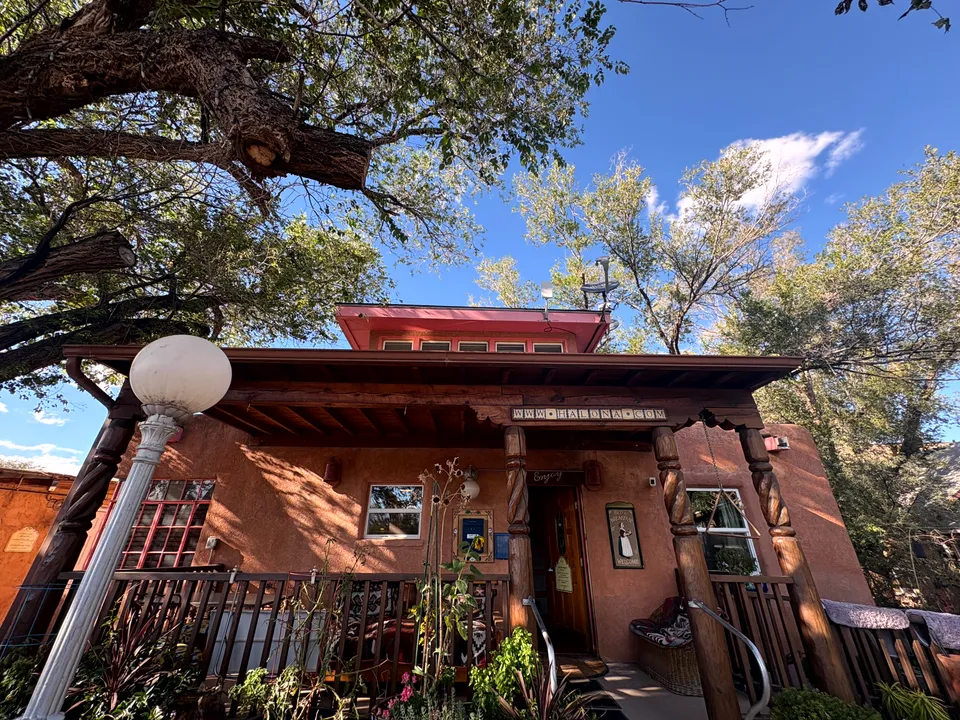
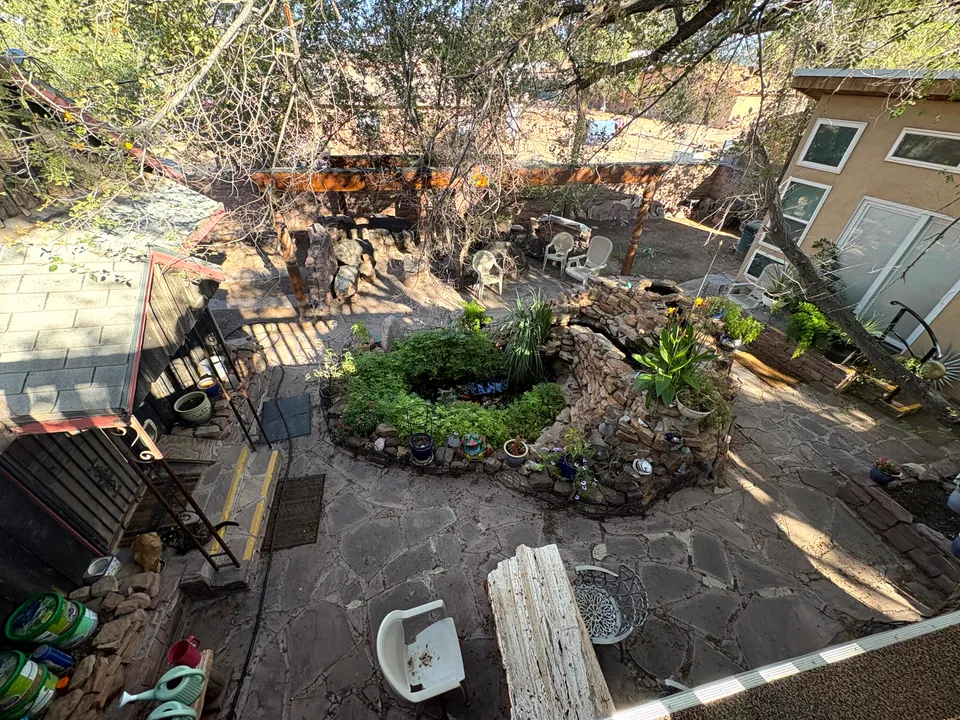
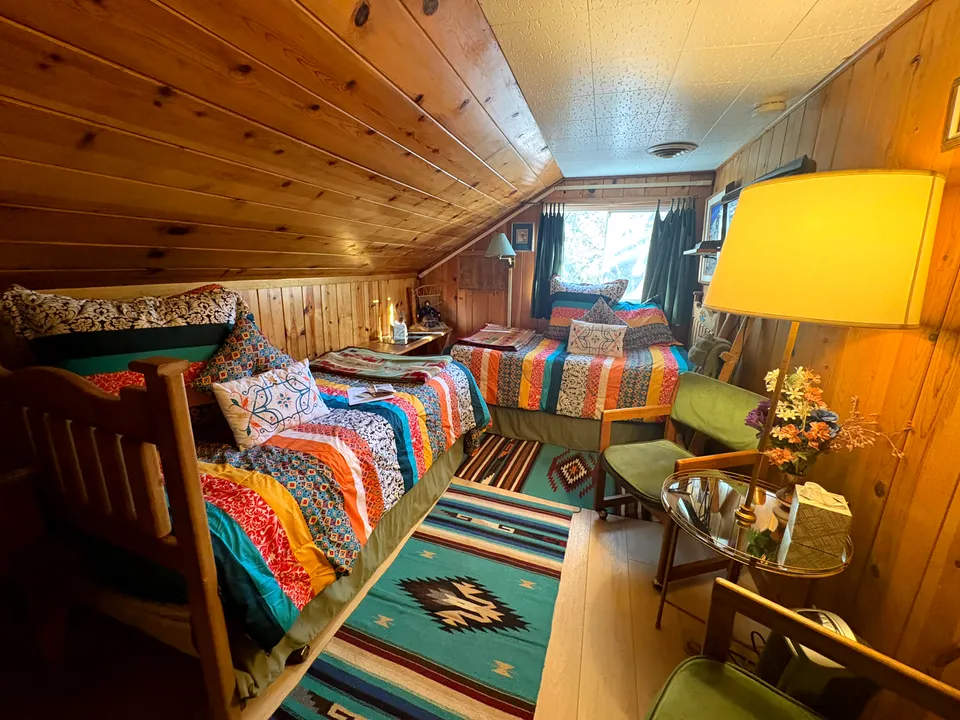
While many pueblos offer hotel resorts, only Zuni Pueblo allows you to stay directly within the community. The inn at Halona is a small, locally owned bed and breakfast in the heart of Zuni Pueblo with half a dozen rooms available for guests. This is a unique opportunity to experience life within the Zuni community firsthand and makes Zuni a great turnaround point for exploring western New Mexico.
Feast Days & Public Ceremonies
Unlike many New Mexico pueblos, Zuni does not celebrate a traditional Catholic feast day. Cultural and religious ceremonies are generally private or restricted, and some are not publicized.
Visitors should check with the Zuni Visitor Center before attending any cultural activity. Photography, recording, and sketching are prohibited during religious ceremonies.
- Mother’s Day Weekend — Zuni Pueblo MainStreet Festival
- September — Zuni Tribal Fair
- Late November — Zuni Christmas Light Parade
How Much Time to Spend
Plan on 2-3 hours for a visit to Zuni.
You can stop at the Visitor Center, visit the museum, browse local art, and explore the public parts of the community. Allow half a day if you are taking a guided tour of the Middle Village or Hawikku. The Visitor Center and museum generally operate on weekday schedules, so check current hours before visiting.
Getting There
Zuni Pueblo is about 38 miles southwest of Gallup and roughly a 45-minute drive. From Gallup, take NM-602 south to NM-53, then follow NM-53 west into the Pueblo. The Zuni Visitor Center is located directly along NM-53 and should be your first stop when you arrive. If you’re coming from the east, Zuni also fits naturally into a longer NM-53 route through El Morro National Monument and El Malpais National Monument. Zuni is fairly remote and a dry pueblo, so Gallup is the nearest major hub for hotels, restaurants, drinks, and other services.
Visiting Respectfully
New Mexico’s pueblos are living communities, not museums. They are sovereign tribal nations with their own governments, laws, and traditions. When visiting, remember that you are a guest on tribal land.
- Obey all posted signs and respect areas marked as private or off-limits.
- Do not photograph people, homes, religious activities, or ceremonies without permission.
- During dances and ceremonies, remain quiet and avoid crossing ceremonial areas.
- Do not remove pottery shards, artifacts, plants, or other objects from pueblo lands (you will be cursed).
- Observe all posted speed limits and traffic laws. Going 5 mph over can get you a ticket.
Explore More Tribal Communities
Want to visit more of New Mexico’s pueblos and tribal lands? See our ranking of the best tribes and pueblos to visit in New Mexico, based on public access, cultural attractions, recreation, lodging, and other visitor amenities.
Nearby places
Wild Spirit Wolf Sanctuary
A tourable sanctuary caring for wolves, wolfdogs, and other rescued wild and exotic animals.
El Morro National Monument
A sandstone bluff covered with centuries of inscriptions from Puebloan, Spanish, and American travelers.
Gallup
A colorful Route 66 city with renowned for Native art, historic trading posts, and strong Navajo and Zuni ties.